
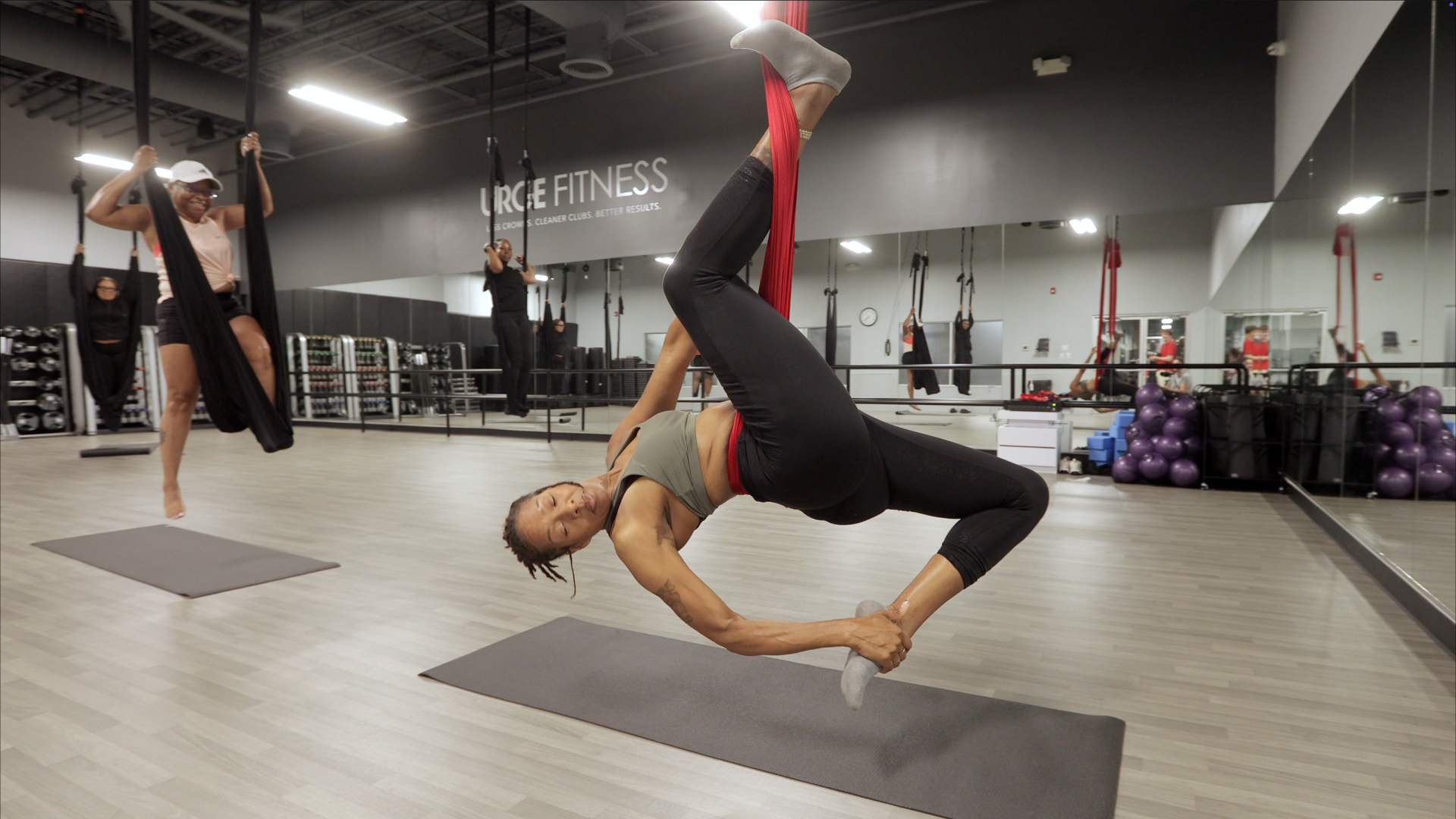
The Ultimate Guide to Stretching: Before vs. After a Workout
Stretching is an essential component of any fitness routine, as it helps to
improve flexibility, reduce the risk of injury, and enhance overall
performance. When done correctly, stretching can increase the range of motion
in your joints, allowing for better movement and agility during physical
activities. Additionally, stretching can help to alleviate muscle tension and
soreness, promoting faster recovery after a workout. It also helps to improve
blood circulation and reduce muscle stiffness, which can lead to improved
posture and reduced risk of chronic pain. Overall, incorporating stretching
into your fitness routine is crucial for maintaining optimal physical health
and well-being.
In addition to the physical benefits, stretching also has mental and emotional
advantages. It can help to reduce stress and anxiety by promoting relaxation
and mindfulness. Stretching can also improve your mood and boost your energy
levels, making it an important aspect of self-care and overall wellness.
Whether you are an athlete, a fitness enthusiast, or simply someone looking to
improve their overall health, incorporating stretching into your daily routine
is essential for achieving optimal physical and mental well-being.
Should you stretch before you lift or after? It’s one of the most debated
topics in fitness. We’re here to solve the debate with the latest science. For
more evidence-based fitness advice, talk to the experts at Urge Fitness. Visit urgefitness.com
or call 888-209-3989.
The Benefits of Stretching Before a Workout
Stretching before a workout is crucial for preparing your body for physical
activity. It helps to warm up your muscles and increase blood flow to the
areas that will be used during exercise. This can help to prevent injury by
reducing the risk of muscle strains and tears. Additionally, stretching before
a workout can improve your overall performance by increasing flexibility and
range of motion, allowing for better movement and agility during exercise. It
can also help to mentally prepare you for the workout ahead, promoting focus
and concentration.
Furthermore, stretching before a workout can help to improve muscle
coordination and balance, which can enhance your overall athletic performance.
By incorporating dynamic stretches into your pre-workout routine, you can
activate the muscles that will be used during exercise, improving their
responsiveness and readiness for physical activity. Overall, stretching before
a workout is essential for preparing your body for the demands of exercise,
reducing the risk of injury, and enhancing overall performance.
The Benefits of Stretching After a Workout
Stretching after a workout is just as important as stretching before a
workout. It helps to cool down your muscles and reduce the buildup of lactic
acid, which can lead to muscle soreness and stiffness. By incorporating static
stretches into your post-workout routine, you can help to relax and lengthen
your muscles, promoting faster recovery and reducing the risk of injury.
Additionally, stretching after a workout can help to improve flexibility and
range of motion, which can lead to improved posture and reduced risk of
chronic pain.
Furthermore, stretching after a workout can help to promote relaxation and
reduce stress by allowing your body to return to a state of rest and recovery.
It can also help to improve blood circulation and reduce muscle tension,
promoting overall physical and mental well-being. By taking the time to
stretch after a workout, you can help your body recover more quickly and
effectively, allowing you to continue with your fitness routine with reduced
risk of injury and improved overall performance.
The Risks of Stretching Before a Workout
While stretching before a workout has many benefits, there are also some risks
associated with it if not done correctly. One of the main risks of stretching
before a workout is the potential for overstretching or straining the muscles.
This can occur if you push your body too far during a stretch or hold a
stretch for too long, leading to muscle tears or strains. Additionally, if you
perform static stretches before a workout without properly warming up your
muscles, it can lead to decreased muscle strength and power during exercise.
Another risk of stretching before a workout is the potential for decreased
muscle responsiveness and coordination. If you perform static stretches
without incorporating dynamic movements into your pre-workout routine, it can
lead to reduced muscle activation and readiness for physical activity. This
can result in decreased overall performance and increased risk of injury
during exercise. Overall, while stretching before a workout has many benefits,
it is important to be mindful of the potential risks and ensure that you are
incorporating the right type of stretches into your pre-workout routine.
The Risks of Stretching After a Workout
Similar to stretching before a workout, there are also some risks associated
with stretching after a workout if not done correctly. One of the main risks
of stretching after a workout is the potential for overstretching or straining
the muscles. This can occur if you push your body too far during a stretch or
hold a stretch for too long, leading to muscle tears or strains. Additionally,
if you perform static stretches after a workout without properly cooling down
your muscles, it can lead to decreased muscle recovery and increased risk of
injury.
Another risk of stretching after a workout is the potential for decreased
muscle responsiveness and coordination. If you perform static stretches
without incorporating dynamic movements into your post-workout routine, it can
lead to reduced muscle activation and readiness for recovery. This can result
in delayed muscle recovery and increased risk of injury during subsequent
workouts. Overall, while stretching after a workout has many benefits, it is
important to be mindful of the potential risks and ensure that you are
incorporating the right type of stretches into your post-workout routine.
The Best Stretching Routine for Before and After a Workout
The best stretching routine for before and after a workout should incorporate
both dynamic and static stretches to prepare your body for physical activity
and promote faster recovery. Before a workout, it is important to focus on
dynamic stretches that activate the muscles that will be used during exercise.
This can include movements such as leg swings, arm circles, and lunges to warm
up the muscles and increase blood flow to the areas that will be used during
physical activity. Dynamic stretches should be performed for 5-10 minutes
before a workout to prepare your body for the demands of exercise.
After a workout, it is important to focus on static stretches that relax and
lengthen the muscles to promote faster recovery. This can include movements
such as hamstring stretches, calf stretches, and shoulder stretches to reduce
muscle tension and promote relaxation. Static stretches should be performed
for 10-15 minutes after a workout to cool down the muscles and reduce the
buildup of lactic acid. By incorporating both dynamic and static stretches
into your pre- and post-workout routines, you can help to prepare your body
for physical activity and promote faster recovery, reducing the risk of injury
and enhancing overall performance.
The Great Debate Settled
In conclusion, the debate over whether stretching before or after a workout is
more beneficial has been settled – both are equally important for maintaining
optimal physical health and well-being. Stretching before a workout helps to
prepare your body for physical activity by warming up the muscles and
increasing blood flow to the areas that will be used during exercise. It can
also improve overall performance by increasing flexibility and range of
motion, allowing for better movement and agility during physical activities.
On the other hand, stretching after a workout helps to cool down the muscles
and reduce the buildup of lactic acid, promoting faster recovery and reducing
the risk of injury.
While there are risks associated with stretching before and after a workout if
not done correctly, incorporating both dynamic and static stretches into your
pre- and post-workout routines can help to mitigate these risks and maximize
the benefits of stretching. By taking the time to properly warm up your
muscles before a workout with dynamic stretches and cool down your muscles
after a workout with static stretches, you can help to prepare your body for
physical activity and promote faster recovery, reducing the risk of injury and
enhancing overall performance. Overall, incorporating stretching into your
fitness routine is crucial for maintaining optimal physical health and well-
being. Our trainers at Urge Fitness can show you the perfect warm-up and cool-
down routines for your workout. Visit urgefitness.com or call 888-209-3989.