
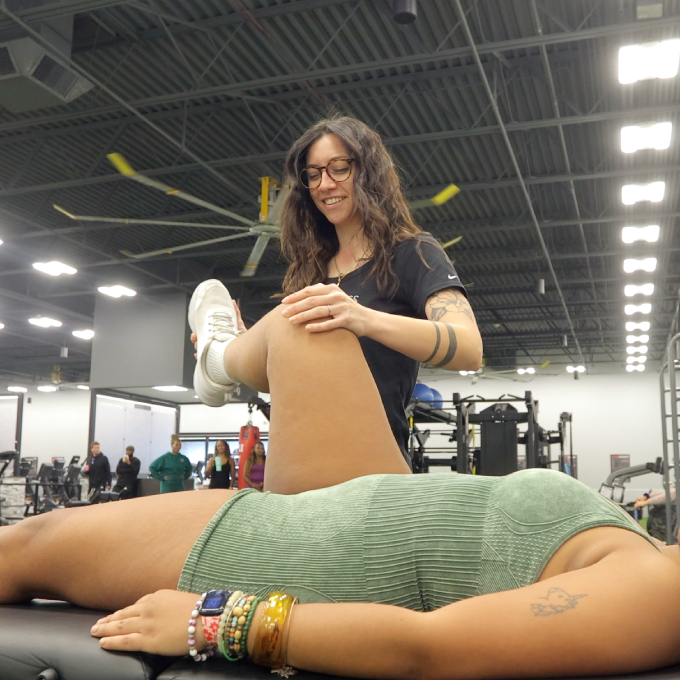
Stretching Before Exercise: Is It Beneficial or Just a Waste of Time?
Warm-up exercises are an essential part of any workout routine, as they help
prepare the body for the physical demands of exercise. By gradually increasing
the heart rate and circulation, warm-up exercises help to loosen the muscles
and joints, improve flexibility, and reduce the risk of injury during physical
activity. Additionally, warm-up exercises can also help to mentally prepare
the individual for the upcoming workout, allowing them to focus and
concentrate on their movements. Without a proper warm-up, the body is more
susceptible to strains, sprains, and other injuries that can hinder progress
and lead to long-term damage.
One of the key benefits of warm-up exercises is their ability to increase
blood flow to the muscles, which helps to improve overall performance and
reduce the risk of injury. When the body is at rest, blood flow to the muscles
is limited, which can make them stiff and less responsive to physical
activity. However, by engaging in warm-up exercises, the body is able to
increase blood flow to the muscles, which helps to improve their flexibility
and responsiveness. This increased blood flow also helps to deliver essential
nutrients and oxygen to the muscles, which can improve their overall function
and reduce the risk of injury during exercise.
For decades, we were told to do static stretching before exercise. But is it
actually helping, or could it be hurting your performance? We’re diving into
the science. Get the most up-to-date fitness advice from the trainers at Urge
Fitness. Visit urgefitness.com or call 888-209-3989.
The Myth of Static Stretching
For many years, static stretching was considered the gold standard for pre-
workout warm-up routines. However, recent research has shown that static
stretching may not be as beneficial as once thought. Static stretching
involves holding a stretch for an extended period of time, typically 15-30
seconds, in an effort to increase flexibility and reduce muscle tension. While
static stretching can help to improve flexibility, it may not be the most
effective warm-up exercise for preparing the body for physical activity.
One of the main drawbacks of static stretching is its potential to decrease
muscle strength and power. When a muscle is stretched for an extended period
of time, it can become temporarily weakened, which can hinder performance
during physical activity. Additionally, static stretching may not adequately
prepare the body for the dynamic movements required during a workout, as it
does not actively engage the muscles in a way that mimics the demands of
exercise. As a result, many fitness experts now recommend incorporating
dynamic stretching and mobility exercises into pre-workout warm-up routines in
place of static stretching.
The Benefits of Dynamic Stretching
Dynamic stretching has gained popularity in recent years as a more effective
alternative to static stretching for pre-workout warm-ups. Unlike static
stretching, dynamic stretching involves moving the muscles and joints through
a full range of motion in a controlled manner. This type of stretching helps
to improve flexibility, increase blood flow to the muscles, and activate the
nervous system in preparation for physical activity. Dynamic stretching can
also help to improve muscle coordination and balance, which are essential for
preventing injury during exercise.
One of the key benefits of dynamic stretching is its ability to prepare the
body for the specific movements required during a workout. By engaging in
dynamic stretching exercises that mimic the movements of the upcoming workout,
individuals can better prepare their muscles and joints for the physical
demands of exercise. This can help to improve overall performance and reduce
the risk of injury during physical activity. Additionally, dynamic stretching
can help to improve muscle elasticity and reduce muscle stiffness, which can
further enhance flexibility and range of motion.
The Role of Mobility Exercises
In addition to dynamic stretching, mobility exercises play a crucial role in
pre-workout warm-up routines. Mobility exercises are designed to improve joint
function and range of motion, which can help to reduce the risk of injury
during physical activity. By engaging in mobility exercises that target
specific joints and muscle groups, individuals can improve their overall
movement patterns and enhance their ability to perform various exercises with
proper form and technique.
One of the key benefits of mobility exercises is their ability to address
specific areas of tightness or weakness in the body. By targeting these areas
with specific mobility exercises, individuals can improve their overall
movement quality and reduce the risk of injury during exercise. Additionally,
mobility exercises can help to improve muscle activation and coordination,
which are essential for performing complex movements with proper form and
technique. By incorporating mobility exercises into pre-workout warm-up
routines, individuals can better prepare their bodies for the physical demands
of exercise and reduce the risk of injury.
The Potential Risks of Pre-Workout Stretching
While warm-up exercises are essential for preparing the body for physical
activity, it’s important to be aware of the potential risks associated with
pre-workout stretching. One of the main risks of pre-workout stretching is the
potential for overstretching or straining the muscles and joints. When
performed incorrectly or excessively, stretching exercises can lead to muscle
strains, sprains, and other injuries that can hinder progress and lead to
long-term damage.
Another potential risk of pre-workout stretching is its ability to decrease
muscle strength and power. As mentioned earlier, static stretching in
particular has been shown to temporarily weaken muscles, which can hinder
performance during physical activity. Additionally, excessive stretching
before a workout can lead to decreased muscle activation and coordination,
which can increase the risk of injury during exercise. As a result, it’s
important to approach pre-workout stretching with caution and focus on
incorporating dynamic stretching and mobility exercises into warm-up routines.
Alternative Pre-Workout Warm-Up Techniques
In addition to dynamic stretching and mobility exercises, there are several
alternative pre-workout warm-up techniques that can help prepare the body for
physical activity. One effective technique is foam rolling, which involves
using a foam roller to apply pressure to specific areas of tightness or
tension in the muscles. Foam rolling can help to release muscle knots and
improve overall muscle function, which can enhance flexibility and reduce the
risk of injury during exercise.
Another alternative pre-workout warm-up technique is light cardiovascular
exercise, such as jogging or cycling at a low intensity. Engaging in light
cardiovascular exercise before a workout can help to increase blood flow to
the muscles and elevate heart rate, which can prepare the body for more
intense physical activity. Additionally, light cardiovascular exercise can
help to mentally prepare the individual for the upcoming workout, allowing
them to focus and concentrate on their movements.
The Bottom Line: What Science Says About Stretching Before a Workout
In conclusion, while warm-up exercises are essential for preparing the body
for physical activity, it’s important to approach pre-workout stretching with
caution. Recent research has shown that static stretching may not be as
beneficial as once thought, as it has the potential to decrease muscle
strength and power. Instead, fitness experts now recommend incorporating
dynamic stretching and mobility exercises into pre-workout warm-up routines in
place of static stretching.
Dynamic stretching has been shown to be an effective alternative to static
stretching for preparing the body for physical activity. By moving the muscles
and joints through a full range of motion in a controlled manner, dynamic
stretching helps to improve flexibility, increase blood flow to the muscles,
and activate the nervous system in preparation for exercise. Additionally,
mobility exercises play a crucial role in pre-workout warm-up routines by
improving joint function and range of motion.
In addition to dynamic stretching and mobility exercises, there are several
alternative pre-workout warm-up techniques that can help prepare the body for
physical activity. Foam rolling and light cardiovascular exercise are both
effective techniques for increasing blood flow to the muscles and mentally
preparing for a workout.
Overall, it’s important to be aware of the potential risks associated with
pre-workout stretching and focus on incorporating dynamic stretching, mobility
exercises, and alternative warm-up techniques into your routine. By doing so,
you can better prepare your body for physical activity and reduce the risk of
injury during exercise.
The science is clear: a dynamic warm-up is the way to go before a workout.
Save your static stretches for your cool-down to improve flexibility. Our
trainers at Urge Fitness can show you the perfect dynamic warm-up to prepare
you for any activity. Visit urgefitness.com or call 888-209-3989.